Introduction to Cat and Dog Communication
Effective communication is the foundation of any healthy relationship, and this holds true for our relationships with our pets as well. By understanding the science behind cat and dog communication, you can unlock the secrets to a stronger bond with your furry companion. In this article, we will explore how cats and dogs communicate with humans and each other, focusing on body language, vocalizations, and scent.
How Cats Communicate with Humans and Other Cats
- Body Language: Cats use their ears, tail, and posture to convey their emotions. For example, an upright tail signals happiness, while flattened ears may indicate fear or aggression.
- Vocalizations: Cats have a wide range of vocalizations, including meowing, purring, hissing, and chirping. Each sound can convey different messages depending on the context.
- Scent Marking: Cats use scent glands on their face and paws to mark their territory and create a familiar environment.
How Dogs Communicate with Humans and Other Dogs
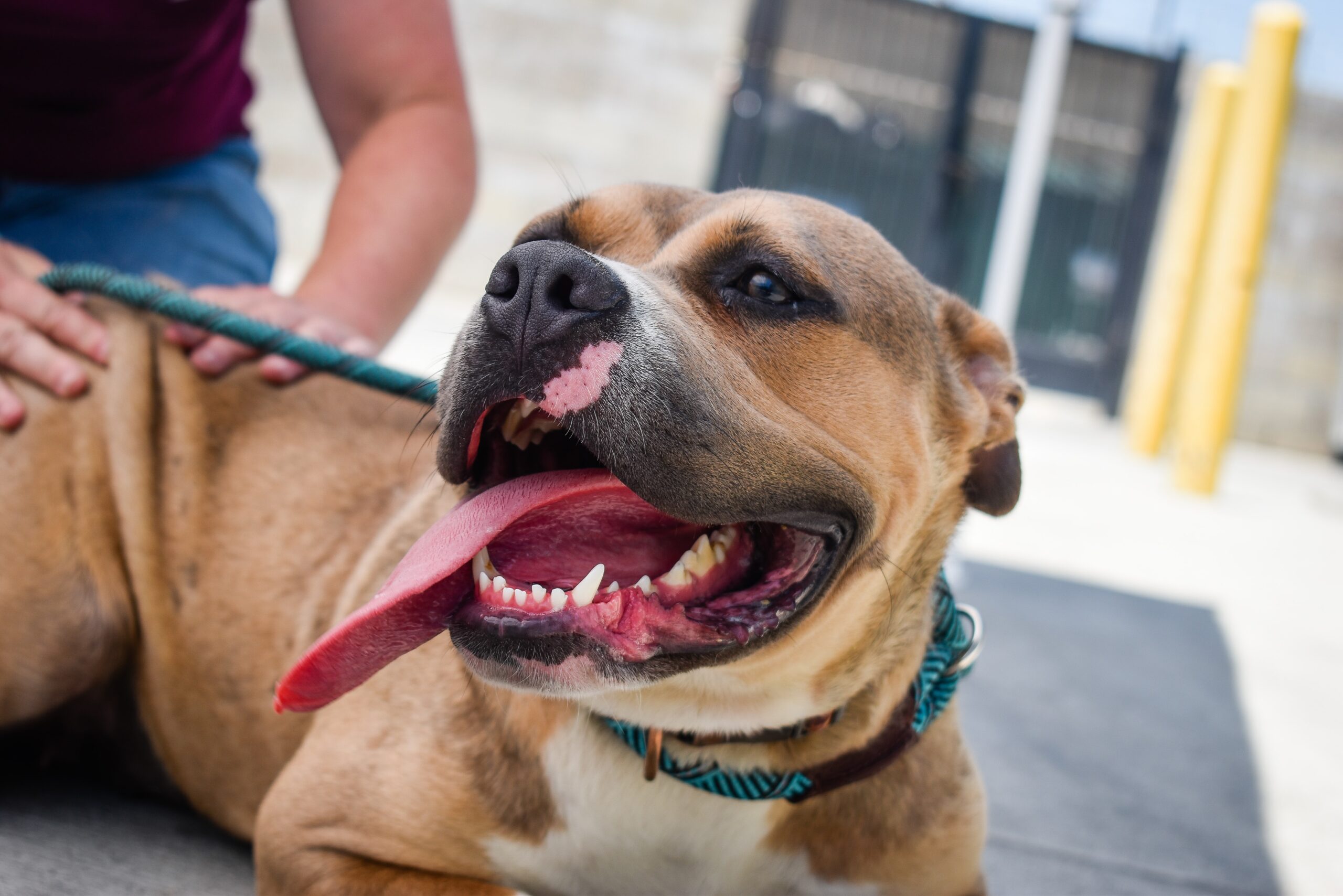
- Body Language: Dogs use their ears, tail, and posture to communicate their feelings. A wagging tail may express happiness or excitement, while a stiff posture can signal tension or aggression.
- Vocalizations: Dogs communicate through barking, growling, whining, and howling. The meaning of these sounds varies depending on the situation and the individual dog.
- Scent Marking: Dogs use scent to mark their territory and gather information about other dogs. They also rely heavily on their sense of smell to understand their environment.
The Role of Body Language, Vocalisations, and Scent in Pet Communication
- Body Language: Understanding your pet’s body language can help you gauge their emotions and respond appropriately. Pay close attention to your pet’s ears, tail, and posture to decode their signals.
- Vocalisations: Recognize the various sounds your pet makes and the context in which they make them to understand their needs and emotions better.
- Scent: Although we can’t detect scents like our pets can, being aware of their importance in communication can help you empathize with your pet’s behaviour.
Tips for Understanding and Responding to Your Pet’s Communication Cues
- Observe and Learn: Spend time watching your pet interact with their environment and other animals to better understand their unique communication style.
- Be Consistent: Use consistent verbal cues and body language when interacting with your pet to build a clear line of communication.
- Respond Appropriately: When your pet communicates a need or emotion, respond in a timely and appropriate manner to strengthen your bond and build trust.
How to Improve Communication with Your Pet
- Training: Invest time in training your pet using positive reinforcement techniques, which can enhance communication and understanding.
- Spend Quality Time: Regular interaction and playtime will strengthen your bond with your pet and improve your ability to interpret their signals.
- Be Patient: Remember that communication is an ongoing process that requires patience and practice from both you and your pet.
Conclusion and Additional Resources
Understanding the science behind cat and dog communication is key to building a strong bond with your furry companion. By learning to interpret their body language, vocalizations, and scent cues, you can effectively communicate with your pet and better address their needs. For more information on cat and dog communication, consult reputable books,
Our Products
Name Front & 2 Numbers Back | Mirror Stainless | Hexagon Cat & Dog ID Pet Tag
$20.00 – $25.00Price range: $20.00 through $25.00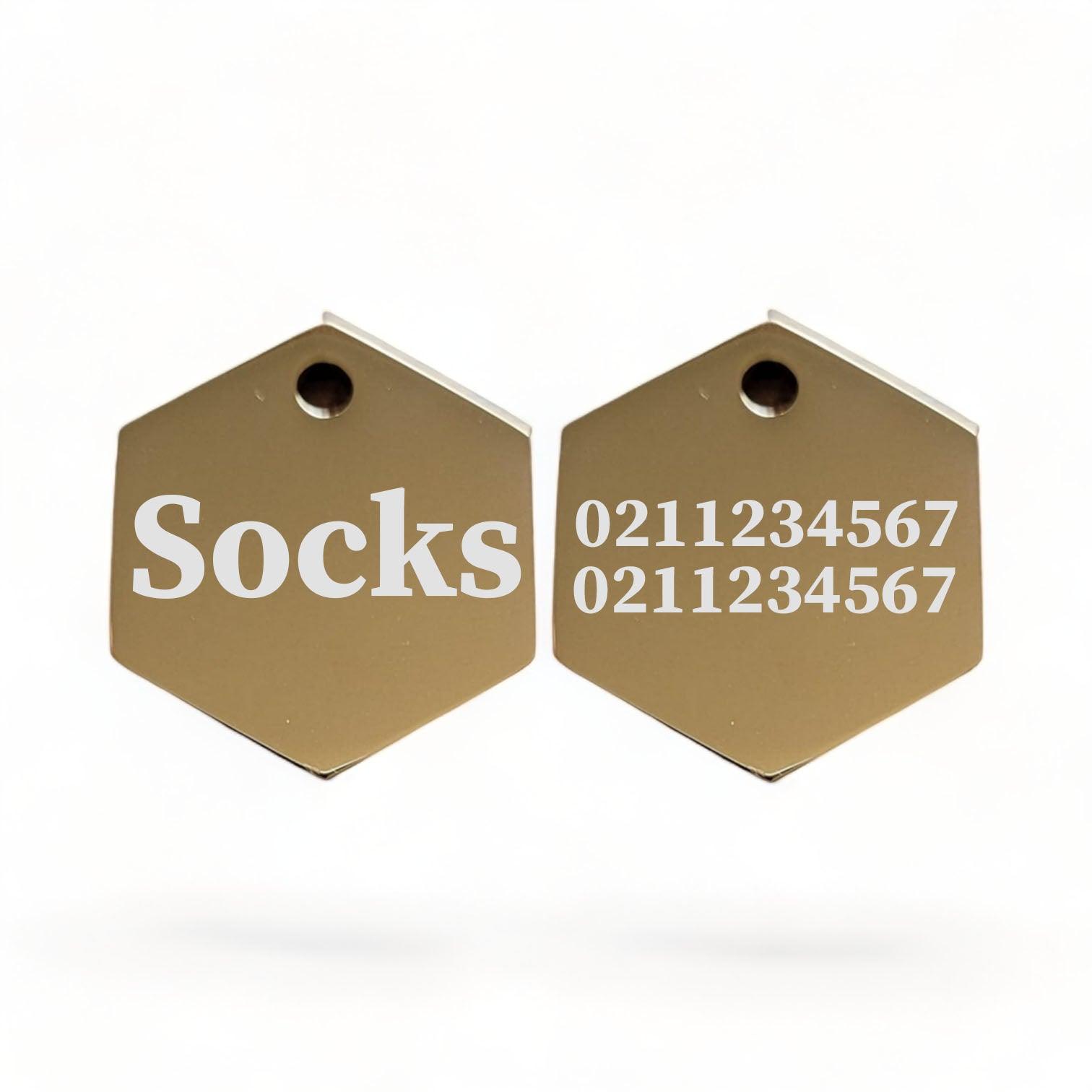 Select options
This product has multiple variants. The options may be chosen on the product page
Select options
This product has multiple variants. The options may be chosen on the product page
Name Front & Number Back Cat Whiskers | Mirror Stainless | Cat ID Pet Tag
$20.00 Select options
This product has multiple variants. The options may be chosen on the product page
Select options
This product has multiple variants. The options may be chosen on the product page
Little Pumpkin Brass Hexagon Cat & Dog ID Pet Tag
$27.00 – $30.00Price range: $27.00 through $30.00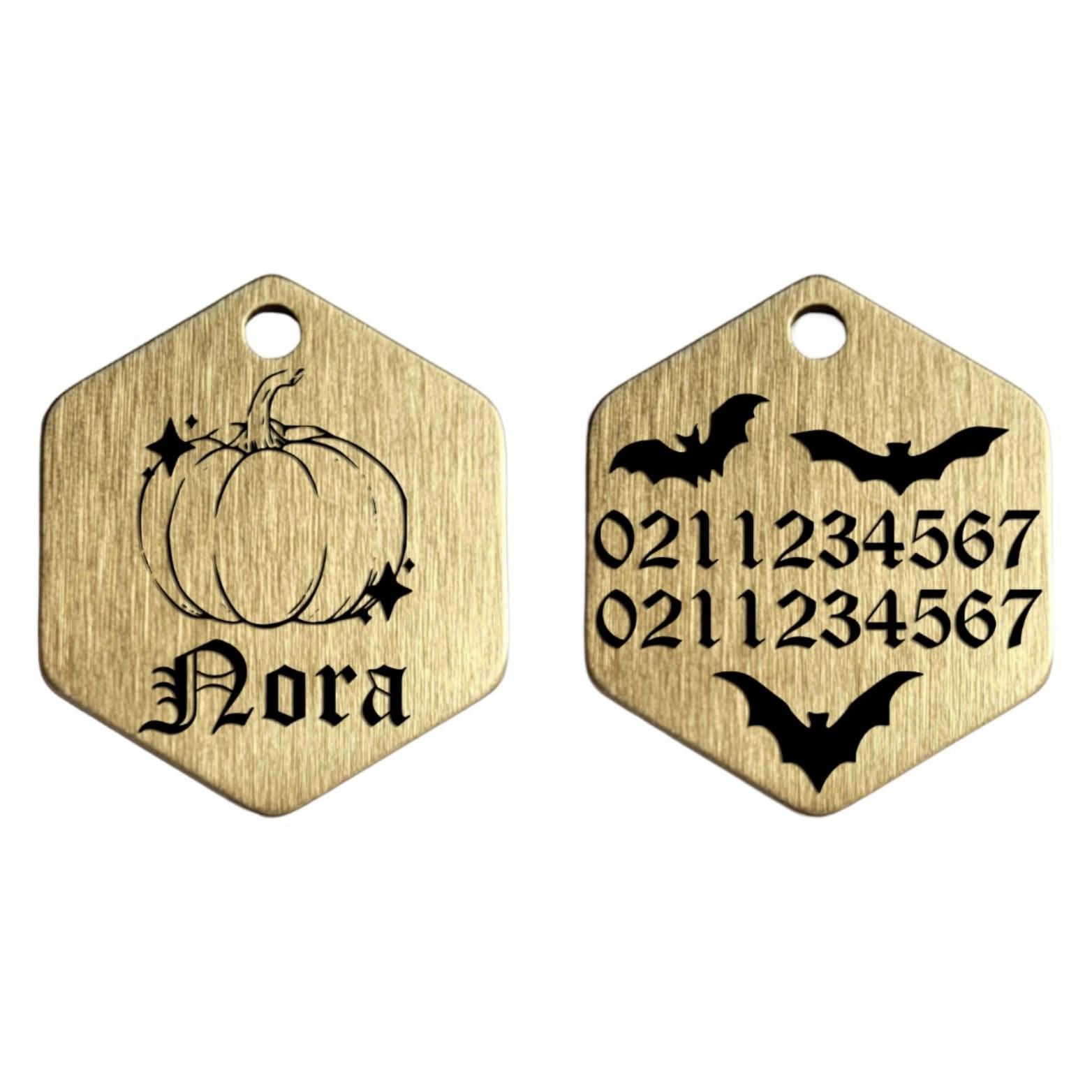 Select options
This product has multiple variants. The options may be chosen on the product page
Select options
This product has multiple variants. The options may be chosen on the product page