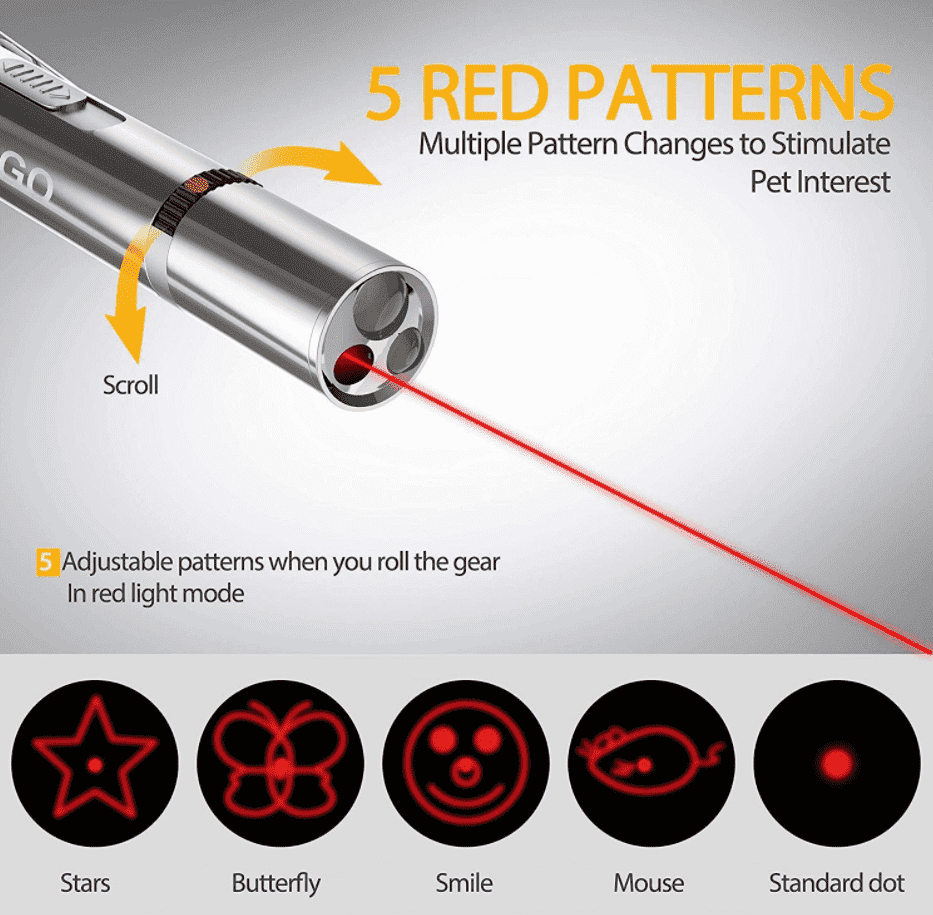
For many cat owners, the simple beam of a laser pointer can transform a living room into a feline playground. While it’s undeniably entertaining to watch your cat dart and pounce after that elusive red dot, laser play comes with its own set of benefits and drawbacks. In this article, we’ll dig into how to use laser toys in a way that keeps your cat mentally stimulated, physically active, and free from frustrating experiences. We’ll also explore how combining laser play with tangible toys can help avoid over-stimulation, ensuring your Kiwi cat gets the best of both worlds.
The Allure of the Laser: Why Cats Love It
High-Speed Excitement
The swift movements of a laser dot mimic prey scurrying across the floor, tapping into your cat’s natural hunting instincts. It’s an excellent way to grab their attention, especially for indoor cats in New Zealand apartments or smaller homes.
Interactive Bonding
Laser play can be a fun, interactive experience for you and your pet. Guiding the dot around obstacles or over furniture encourages your cat to navigate different terrains, fostering a closer bond as you both engage in the “hunt.”
Energy Burner
For energetic cats—like a playful new kitten or an active breed such as the Bengal—a good laser chase can help burn off that extra steam. This can lead to better sleep, reduced stress, and fewer destructive habits (like shredding curtains!) born out of boredom.
Potential Frustrations and Drawbacks
No Physical Payoff
One of the biggest criticisms of laser play is that your cat never actually “catches” the dot. This can lead to pent-up frustration as their hunting drive isn’t fully satisfied. Over time, continually chasing something impossible to catch can lead to anxiety or heightened aggression.
Risk of Over-Stimulation
The frantic nature of laser play might lead to over-stimulation, particularly if the session goes on too long. You might notice signs like flattened ears, a twitching tail, or excessive vocalisation. Just like us, cats can become overstimulated and stressed if the game is too intense or relentless.
Eye Safety Concerns
Although most laser pointers sold for pet play are considered safe when used correctly, there’s always a risk of accidentally shining the laser into your cat’s eyes—or even your own. Proper usage is key to preventing any potential eye damage.
Adding Physical Toys to the Mix
Because lasers don’t provide anything tangible for your cat to catch, it’s often helpful to pair laser play with a physical toy at the end of the session.
- Final Capture: Finish your laser chase by switching to a wand toy, plush mouse, or even a treat. This “victory catch” helps close the loop on your cat’s hunting sequence, offering a sense of accomplishment.
- Varied Textures and Movements: Laser play offers speed, while physical toys allow for pawing, biting, and carrying. By combining both, you stimulate multiple senses—sight, sound, and touch—which leads to a richer, more satisfying play experience.
- Encourage Natural Behaviours: Cats learn through success. Providing something real to pounce on and bat around helps reinforce healthy hunting behaviour and mental wellbeing.
Avoiding Over-Stimulation: Safe Usage Tips
- Short Sessions: Limit laser play to five-minute bursts, especially if your cat appears hyper-focused or anxious. Frequent, shorter sessions can be more beneficial than one long, frenzied chase.
- Keep It Moving Naturally: Move the laser in patterns that mimic real prey—quick darts, occasional stops, and slow crawls along the floor. Constantly swirling it in circles at high speed can lead to unproductive excitement or stress.
- Be Mindful of Body Language: If your cat’s ears go back, tail lashes vigorously, or they start panting, it’s time to pause. Over-stimulation can escalate quickly, so watch for these signs and take breaks as needed.
- Laser Safety: Use a laser pointer designed for pet play and avoid shining it directly into eyes. Store it in a safe place to prevent unintentional eye exposure, especially around children.
- Ending on a High Note: Finish each session by allowing your cat to “catch” a physical toy or enjoy a small treat. This helps them transition from hunting mode to a more relaxed state.
The Kiwi Connection: Making Playtime Fun and Safe in New Zealand
In New Zealand, many cats enjoy a mix of indoor and outdoor exploration, but that doesn’t mean indoor play should take a back seat. Whether you’re in a cosy Wellington flat or a suburban Auckland home, laser toys offer a compact, convenient way to engage your cat—especially during our rainy winter months.
However, remember that New Zealand’s native birdlife can be at risk from outdoor cats. Providing plenty of stimulating indoor play alternatives, like laser toys (paired with tangible toys), can help keep your cat occupied without venturing outside to hunt wildlife. It’s a win-win for both your cat and our precious native species.
Final Thoughts
Laser toys can be an exciting addition to your cat’s play routine, offering the thrill of the chase in a compact, low-effort package. Yet, it’s crucial to recognise the potential drawbacks—like frustration from never catching the dot, the risk of over-stimulation, and eye safety concerns. By keeping sessions short, switching up with physical toys, and watching for signs of stress, you can ensure that laser play remains a positive, engaging experience for both you and your feline friend. Whether you’re looking to help your cat burn off extra energy or simply add variety to their day, using a laser pointer responsibly is a great way to enrich their life while giving you plenty of hilarious cat-chase moments.
Ready to give laser play a try? Share your experiences in the comments below—did your cat immediately chase the dot, or did they need some coaxing? Your feedback might help another Kiwi cat parent strike the right balance between fun and frustration.