For many Kiwi cat owners, the idea of bathing and brushing a wriggly, sometimes uncooperative feline might feel like a daunting task. Yet regular grooming is essential for maintaining healthy fur and skin—especially in a country like New Zealand, where our unpredictable weather and abundant outdoor spaces can lead to a messier coat. With the right tools and a patient approach, you can transform grooming into a less stressful, even bonding, experience for both you and your cat. Below, we’ll explore the best brushes, shampoos, and reinforcement methods, alongside guidance on vet check-ups to keep your furry friend in tip-top shape.
1. The Tools You Need
Brushes and Combs
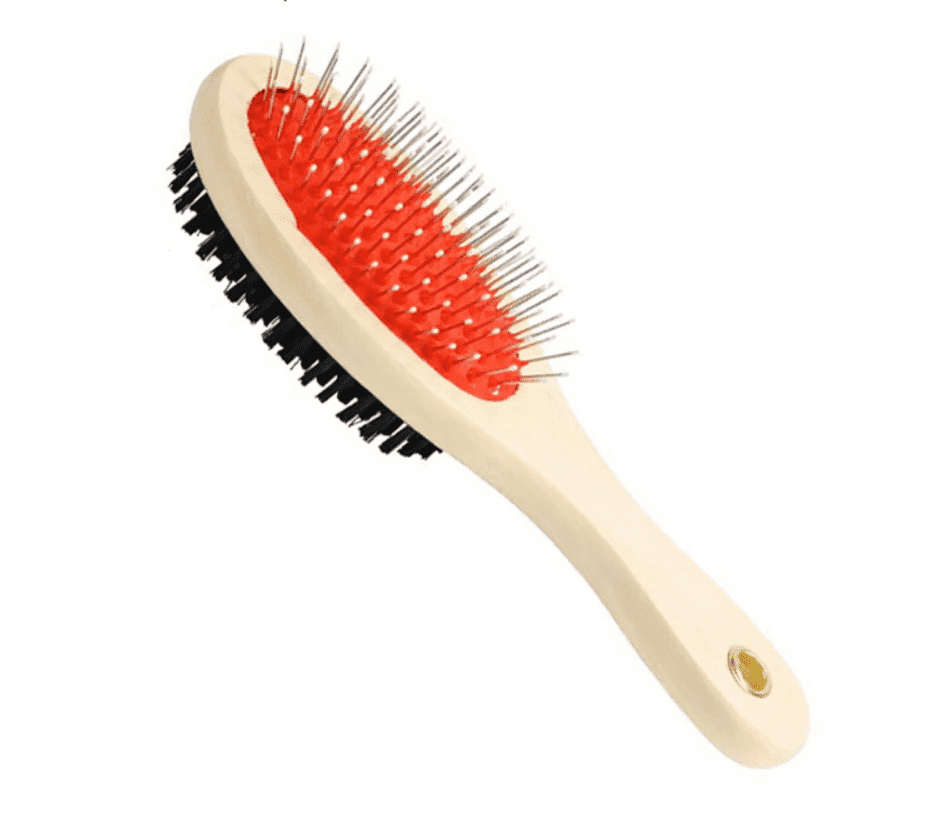
- Bristle Brush: Ideal for short-haired cats; it helps remove loose fur and spreads natural oils.
- Pin Brush or Slicker Brush: Perfect for medium to long-haired felines, or those prone to tangles. Choose a brush with rounded tips to avoid irritating your cat’s skin.
- Flea Comb: Particularly useful if your cat goes outside or mingles with other animals. Even if fleas aren’t present, a quick weekly comb can help you spot any signs of trouble early.
Cat-Safe Shampoos
- Gentle, pH-Balanced Formula: Cats have sensitive skin, so look for shampoos labelled “cat-specific.” Avoid human products or generic pet shampoos formulated for dogs, as they may irritate a cat’s delicate skin and strip away natural oils.
- Hypoallergenic or Natural Ingredients: If your cat is prone to allergies or has a history of skin sensitivities, opt for a shampoo free from artificial dyes or strong fragrances. New Zealand pet stores often carry eco-friendly, locally made brands that use native botanical extracts.
Additional Gear
- Non-Slip Mat or Towel: Place this in the bath or sink to give your cat a secure footing. Slippery surfaces can heighten anxiety.
- Soft Towels: Choose absorbent towels to gently pat your cat dry without causing further stress. Having a spare on hand can be handy in case your feline friend decides to make a dash mid-bath!
2. Positive Reinforcement Techniques
Start Slow and Steady
- Introductory Sessions: Before turning on the tap, allow your cat to familiarise themselves with the grooming space (e.g., a sink or shallow basin). Offer a few treats, letting them explore without the pressure of an immediate bath.
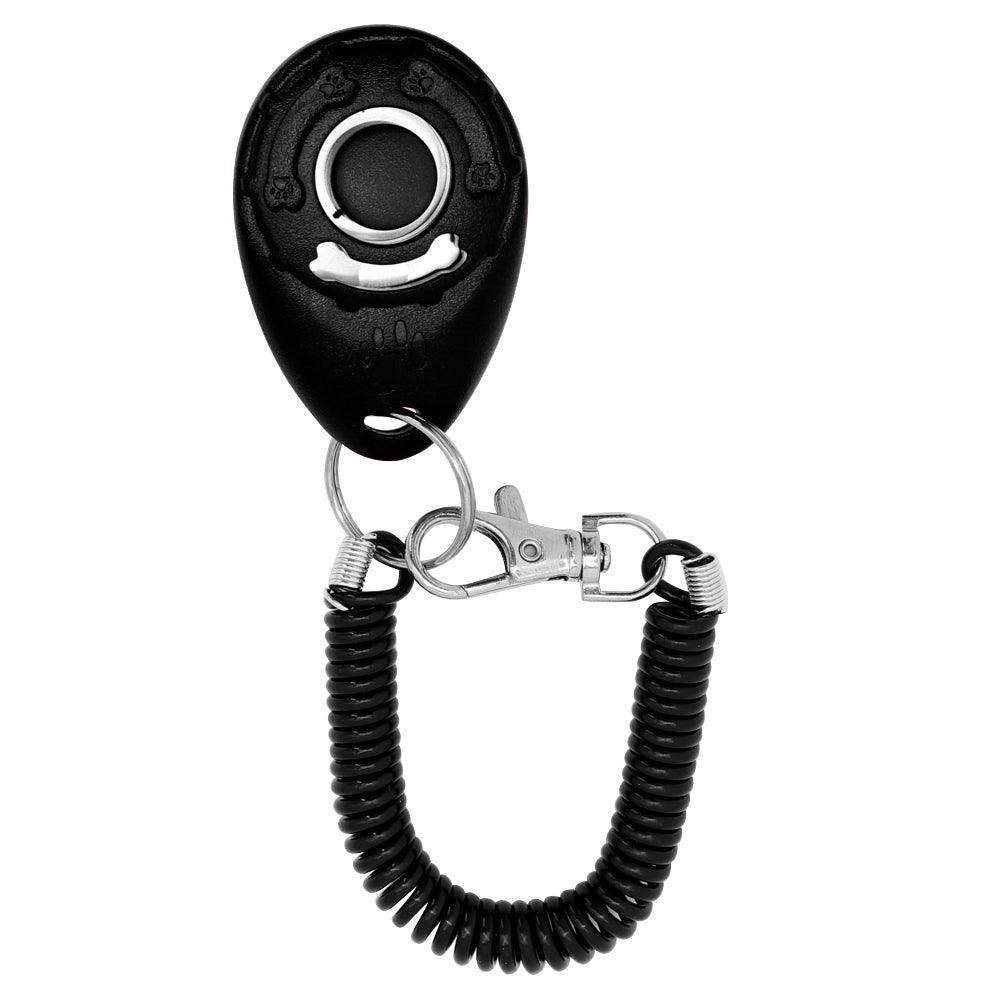
- Build Trust: Brief daily brushing sessions ease your cat into grooming. Reward with praise or a small treat whenever they remain calm or allow you to brush them without fuss.
Gentle Handling
- Supportive Touch: Use slow, confident movements and talk to your cat in a soothing tone. Quick or abrupt motions can startle them.
- Mindful Brushing: For brushing, focus on one area at a time—start with the back and move gradually to more sensitive spots (like the belly or hind legs). Notice if your cat shows any sign of discomfort and adjust accordingly.
Reward and Redirect
- Tasty Incentives: After each stage (brushing one side, rinsing off shampoo, etc.), offer a small treat or a bit of high-value food. Positive associations will encourage your cat to be more cooperative next time.
- Short Sessions: If your cat becomes agitated, pause and try again later. Dragging out a stressful session can build a negative association, making future grooming attempts more difficult.
3. Scheduling Vet Check-Ups
Routine Health Checks
Regular vet visits are a cornerstone of responsible cat ownership. During these check-ups, your vet can:
- Assess Skin and Coat Health: Spot early signs of skin infections or parasite issues.
- Provide Grooming Advice: Recommend products or techniques specific to your cat’s breed or fur type.
- Update Flea and Worm Treatments: Essential for outdoor or semi-outdoor cats in New Zealand, where parasites can thrive in mild, damp conditions.
When to Seek Professional Grooming
Some cats, particularly those with extra-long or thick coats (like the Maine Coon or Ragdoll), may need professional grooming from time to time. If you notice frequent matting, an excessively greasy coat, or your cat becomes highly stressed at bath time, consult with a professional groomer. Many Kiwi groomers offer mobile services, which could reduce travel-related stress for your pet.
Practical Tips for a Low-Stress Session
- Choose the Right Time: Schedule grooming when your cat is naturally calm or drowsy—perhaps after a hearty meal or a play session.
- Set Up in Advance: Fill the sink or basin with a few centimetres of lukewarm water before bringing your cat in. The noise of running water can be alarming.
- Use a Gentle Stream: If rinsing is necessary, opt for a pitcher or handheld sprayer on the lowest setting—avoid aiming at your cat’s face.
- Pat Dry: Gently press a towel against your cat’s fur rather than rubbing vigorously. This reduces static and discomfort, especially if they’re not a fan of getting wet.
- Keep Sessions Short: A quick bath or brushing is preferable to a drawn-out ordeal. You can always repeat the process the following day if needed.
Final Thoughts
Grooming doesn’t have to be a battle of wills. By equipping yourself with the right brushes, cat-safe shampoos, and positive reinforcement techniques, you can make bathing and brushing sessions a more relaxed—and even enjoyable—experience for both you and your feline companion. Keep a watchful eye on their coat condition, schedule regular vet check-ups, and know your cat’s limits to ensure a truly low-stress grooming routine. After all, a well-groomed cat isn’t just about appearances—it’s a happy, healthy pet that feels their best every day.
Do you have a tried-and-tested grooming hack that keeps your cat calm and purring? Feel free to share your experiences or questions in the comments below—your tips might just make bath time a breeze for another Kiwi cat owner!
Our Products
Grooming Glove For Cats & Dogs
$15.00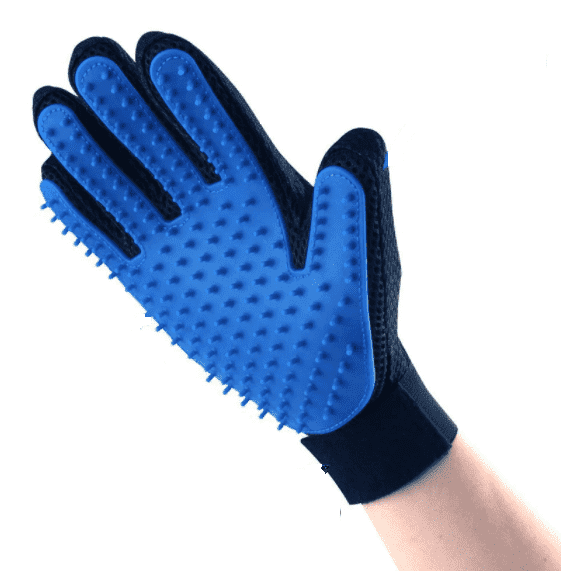 Select options
This product has multiple variants. The options may be chosen on the product page
Select options
This product has multiple variants. The options may be chosen on the product page